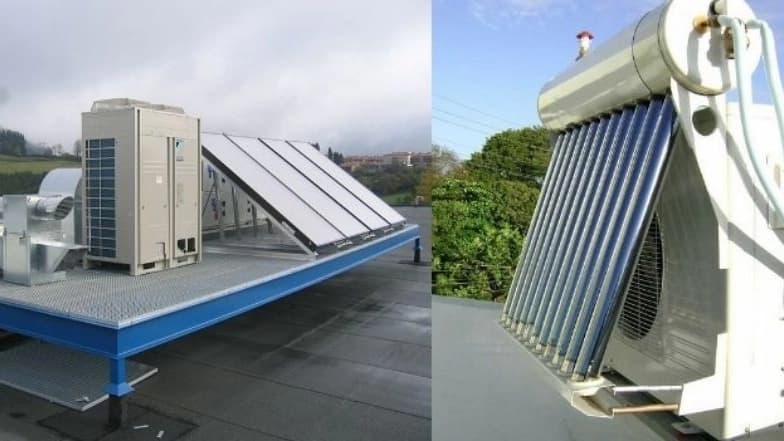
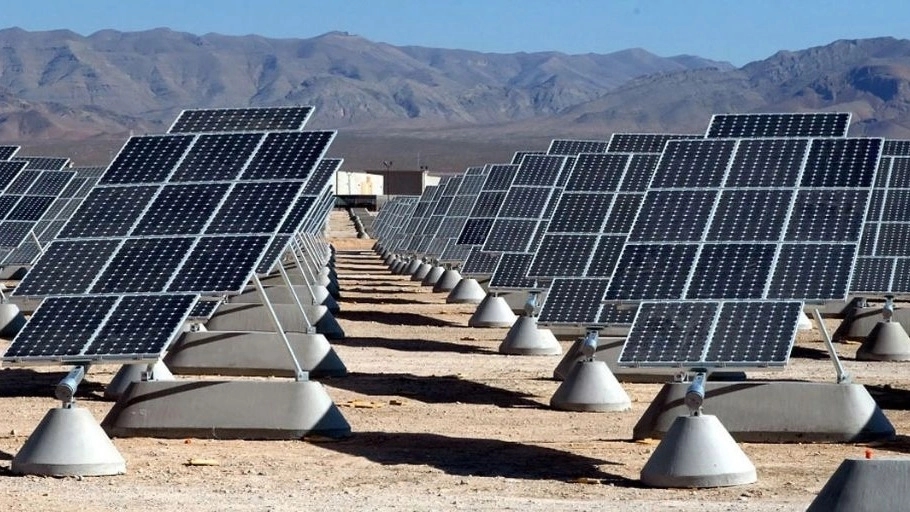
What is a solar panel?
A solar panel is a system that converts solar energy into electrical energy and stores it in its panel batteries. This energy is provided from the free source of the sun and will not cause any environmental pollution.
🔰 How to operate or operate solar power systems
Solar panels consist of a large number of silicon solar cells. In short, the structure of this complex is that the solar cells convert the absorbed photons of the sun into electrical energy in an electrical circuit. This generated electrical energy is directed to batteries for storage and before being used for appliances and devices, it is converted into alternating current by inverters and ready for use.
🔰 The benefits of solar power systems
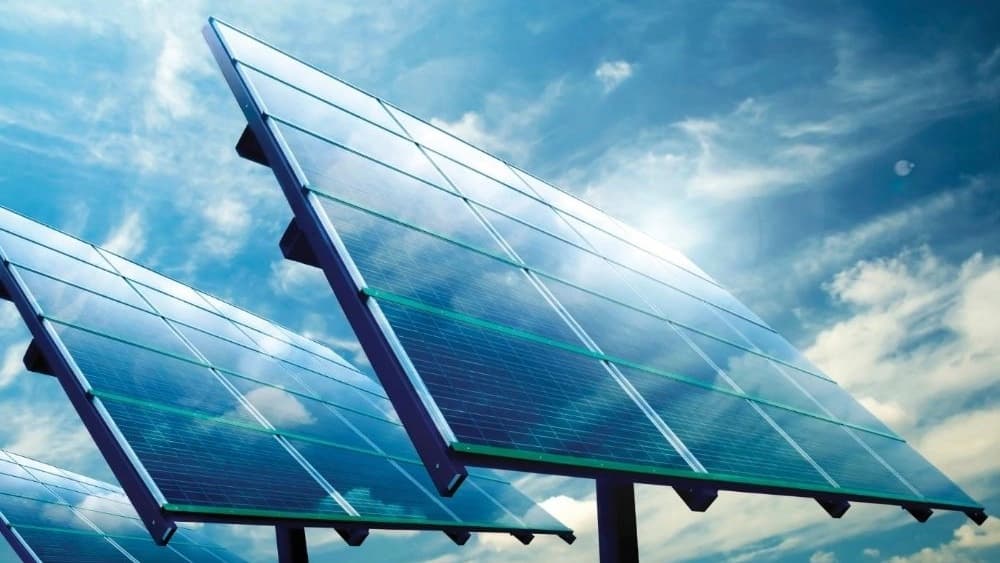
Solar systems work in any kind of weather and atmospheric conditions. In low or high temperatures, rain or snow, in any condition, if there is some sunlight, the solar cells continue to operate. Solar systems are suitable for inaccessible and remote areas. In these areas, solar systems are the best choice due to the remoteness of the area and the lack of cabling and wiring. Solar panels have almost zero environmental pollution. Using solar cells is one of the cleanest sources of electricity generation that does not leave any harmful effects on the environment. The lifespan of solar devices is very high and their maintenance and useful life is between 20 and 30 years The maintenance costs of this system are lower than other systems
🔰 Applications of solar power systems
To heat the water of pools Electricity supply for houses and buildings Power supply for outdoor lighting systems such as electric poles Hot water production for homes …